Narrow Stairs In Hornsey Flats: Safe Removal Options
Posted on 18/06/2026
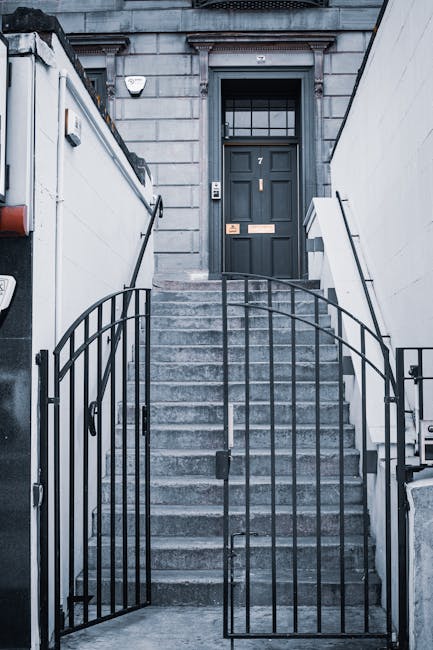
Getting a sofa, mattress, wardrobe, piano, or even a stack of boxes down a narrow stairwell in a Hornsey flat can feel like one of those jobs that looks simple until you're halfway through it. The walls are close, the turns are awkward, and the old stair treads have a way of making every step feel louder than it should. If you're dealing with Narrow Stairs In Hornsey Flats: Safe Removal Options, the real challenge is not just strength; it's planning, control, and knowing when a careful two-person lift is no longer enough.
This guide breaks down the safest ways to remove bulky items from tight staircases, what to check before moving day, and which options are worth considering when access is limited. You'll also find practical steps, a comparison table, a local-minded checklist, and a few realistic examples from the kind of flats people actually move in Hornsey.
Why Narrow Stairs In Hornsey Flats: Safe Removal Options Matters
Narrow staircases are one of the main reasons flat moves become slow, stressful, or risky. In a Hornsey flat, you may be working with steep steps, a tight landing, awkward banisters, and corners that refuse to cooperate. Add rain on the day, a heavy fridge, or a sofa that's just a bit too wide, and you've got a proper bottleneck.
Safe removal matters because the usual moving problems stack up very quickly in confined spaces:
- Personal injury risk increases when people twist, rush, or carry weight on uneven steps.
- Damage risk goes up for walls, paintwork, banisters, flooring, and the item being moved.
- Time pressure becomes a problem if the stairwell blocks the whole move-out schedule.
- Neighbour impact can be an issue in shared hallways or converted buildings where space is tight.
The phrase "safe removal options" sounds formal, but in practice it means choosing a method that fits the property rather than forcing the property to fit the move. That might be careful dismantling, specialist lifting, extra hands, a different route, or, in some cases, temporary storage while access is sorted. If you want a broader look at planning a smoother move overall, these packing hacks for a seamless house move are a useful companion read.
To be fair, this is where many DIY moves go off the rails. The item is usually not the only issue. The staircase is the issue.
How Narrow Stairs In Hornsey Flats: Safe Removal Options Works
The safest approach starts with assessment, not lifting. A good mover looks at the item, the stairwell, the landing space, the floor finish, and the route out of the building before any carrying begins. That sounds basic, but it is exactly the step people skip when they are eager to get the job done.
Here's how the process normally works in a well-managed flat removal:
- Measure the item and the route. Check width, height, depth, and turning clearance at each landing.
- Identify pinch points. Look for low ceilings, handrails, radiators, door furniture, light fittings, and tight bends.
- Reduce the load where possible. Remove legs, doors, cushions, shelves, or drawers before moving.
- Select the safest carrying method. This may be two-person carry, shoulder straps, a trolley on suitable sections, or a dismantled move.
- Protect the property. Use floor coverings, corner protection, and padding where needed.
- Move slowly and communicate clearly. One person leads, one controls balance, and nobody rushes the turn.
The important thing is that the move is controlled from start to finish. A narrow staircase punishes guesswork. It also punishes heroics, which is annoying but true. If an item is especially heavy or awkward, it can help to review safe strategies for lifting heavy objects before you decide anyone should attempt it alone.
Some homes in Hornsey have compact hallways that look manageable from the front door and then suddenly become impossible once the item reaches the turn. That's normal. The solution is usually not brute force; it's route planning and patience.
Key Benefits and Practical Advantages
Choosing the right removal option for a narrow stairwell gives you more than just convenience. It protects the move itself.
- Lower chance of breakage for furniture, appliances, and decor.
- Less physical strain for everyone involved.
- Better control in shared spaces where a scrape on the wall becomes everyone's problem.
- Faster problem-solving if an item needs to be split, rotated, or removed a different way.
- More predictable moving day timing, especially if parking or access is already tight in Hornsey.
There is also a mental benefit that gets overlooked: you simply feel calmer when you know the route is under control. A move can be noisy enough already-footsteps on old stairs, cardboard shifting, tape ripping, someone calling "careful now" for the fourth time. Keeping the process safe tends to keep it less chaotic too.
If you're decluttering before the move, it can be worth trimming the load before you even face the staircase. Decluttering hacks for a smoother move can help reduce the number of items that need the tricky carry in the first place.
Who This Is For and When It Makes Sense
This approach is not only for large family homes or luxury flats. It makes sense for lots of everyday situations in Hornsey, especially when access is tight and the item is not easy to carry upright.
It is especially useful if you are moving:
- a sofa through a narrow communal stairwell
- a mattress from a top-floor flat with a tight turn on the landing
- a wardrobe or bookcase that needs partial dismantling
- a fridge, freezer, or washing machine with limited grip points
- a piano or other high-value item that cannot be tilted carelessly
- student furniture in older converted properties
It also makes sense if you are in a building with older character features. Hornsey has its fair share of properties where the stairs are steep, the hallways are narrow, and the banister seems to have been built with optimism rather than practicality. If you are moving a bed or mattress, specialist advice on moving beds and mattresses is worth a look because those items look soft and harmless right up until they block a landing.
When is it sensible to call in a professional crew? Usually when the item is heavy, the route is tight, the stairwell is shared, or the item cannot be safely turned by two people without a lot of strain. Simple enough. Not glamorous, but simple.
Step-by-Step Guidance
If you want a practical route through the job, here is the method that usually works best.
1. Survey the space properly
Start from the item and work backwards to the exit. Measure key points if needed. Check the width of the item at its widest point, then compare it to the narrowest section of the stairwell. The tiniest pinch point often decides the whole plan.
2. Empty and reduce the item
Remove anything that can come off safely. Cushions, drawers, doors, shelves, loose fittings, and detachable legs can make a huge difference. It is amazing how often a move becomes manageable after ten minutes of sensible dismantling.
3. Protect the route
Lay protection on floors and, where necessary, cover corners or banister edges. In shared flats, even a small chip on the wall can become a conversation you don't want.
4. Assign roles before lifting
One person should lead the item and call the pace. The other should support the balance and watch the back end. If there are more helpers, make sure they are not all trying to shout instructions at once. That never helps, honestly.
5. Use the correct carrying angle
Often the safest way down a narrow stairwell is not flat and level. The item may need to be angled, stood on end, or pivoted around a landing. The exact position depends on the object and the staircase, which is why "just wing it" is a terrible moving strategy.
6. Pause at every awkward turn
Take short rests where needed. A pause at the landing is better than a wobble on the bend. Keep hands clear, keep the path clear, and never try to rush past the point where the item starts to catch.
7. Reassess if the plan stops working
If the item jams, tilts badly, or starts scraping, stop. Reassess whether to rotate it, dismantle it further, or change the route. Sometimes the smartest move is the one that happens after a reset.
If you are still in the early planning stage, the guidance in how to navigate a move calmly and stress-free can help you keep the day organised rather than reactive.
Expert Tips for Better Results
Over time, a few habits make a big difference in tight-access removals.
- Take doors off where possible. A few extra centimetres can be the difference between a clean turn and a blocked landing.
- Keep gloves on for grip, especially with leather, painted wood, or smooth appliance sides.
- Use proper lifting cues. "Ready, lift, turn, down" is far safer than improvised counting.
- Protect the item as well as the flat. Corner pads and blankets help prevent dents from the inside out.
- Schedule awkward items first. Don't leave the hardest carry until everyone is tired.
- Think about weather and time of day. Wet steps, low light, or a busy communal entrance can make things more awkward than expected.
A small but important point: if a staircase feels too tight for a piece of furniture, it probably is. People often try to "just get it round somehow" because they've already invested time in the move. That is exactly when damage happens. Better to pause than to push through and regret it.
For heavier items and specialist handling, our page on piano removals in Hornsey is relevant because pianos are a good example of why precision matters more than muscle.

Common Mistakes to Avoid
Most staircase problems come from a handful of predictable mistakes. Avoid these and you immediately reduce risk.
- Skipping measurements. Guessing the fit is a gamble, not a plan.
- Moving without dismantling first. Furniture legs, arms, and doors often matter more than expected.
- Using too few people. Two people may be enough for a light item, but not every item.
- Ignoring landing space. A stairwell can be wide enough on paper and still fail at the turn.
- Forcing the lift when the angle is wrong. That is where fingers, walls, and temper tend to suffer.
- Starting too late in the day. Fatigue makes everything feel heavier and less forgiving.
One more thing people overlook: packing. Loose contents change the balance of a cupboard, chest, or appliance. If you are preparing a move with lots of boxes, the advice in packing hacks for a seamless house move can help you keep weight and stability under control.
And if the item is simply not worth the risk, let's be honest, sometimes the best decision is to stop the DIY debate there.
Tools, Resources and Recommendations
You do not need every moving gadget under the sun. You do need the right basics and a sensible approach.
Useful moving tools
- moving blankets or quilted pads
- tape and straps for securing doors, drawers, and loose parts
- work gloves with a solid grip
- furniture sliders for short indoor repositioning where appropriate
- straps or harnesses for controlled two-person lifting
- floor protection for hallways and stair edges
Helpful planning resources
- a simple room-by-room inventory
- measured dimensions of large furniture
- access notes for the flat and stairwell
- parking awareness for the day, especially near busier Hornsey roads
If you are thinking about longer-term handling of bulky pieces, it can also help to plan where items will go after the move. A few pieces may need temporary holding space, and storage in Hornsey can be the tidy middle ground when access, timing, or renovation work gets in the way.
For anyone handling lots of boxes and mixed household items, packing and boxes in Hornsey can support the rest of the move so the staircase carry is not made harder by bad packaging.
Law, Compliance, Standards, or Best Practice
For domestic removals, the main "compliance" point is really about safe working practice and common sense. There isn't one single rulebook for narrow stair moves, but there are well-established expectations around safe lifting, risk awareness, and protecting property.
Good practice usually includes:
- reasonable risk assessment before lifting
- clear communication between everyone involved
- appropriate manual handling technique
- use of protective materials where surfaces are exposed
- respect for shared access areas in converted blocks and flats
If you hire help, it is sensible to ask about insurance and the company's approach to safety. That is not being fussy; it is basic due diligence. You want to know how they handle damage, awkward access, and heavy lifting before the item is halfway down the stairs. Our insurance and safety page gives a useful overview of the kind of reassurance to look for.
In buildings with residents, landlords, or managing agents, the safest route also respects noise, communal access, and timing. That may mean avoiding peak times or notifying neighbours in advance. Small courtesy, big difference.
Options, Methods, or Comparison Table
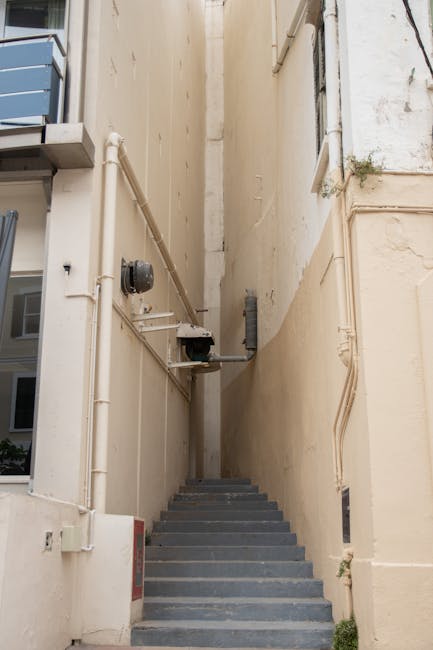
When dealing with narrow stairs, there are usually several ways to get the job done. The right choice depends on weight, shape, urgency, and how much risk you are willing to tolerate. Here is a simple comparison.
| Method | Best for | Advantages | Limitations |
|---|---|---|---|
| Two-person manual carry | Light to medium items with manageable turns | Simple, inexpensive, fast for straightforward pieces | Higher strain if item is bulky or stairs are very tight |
| Partial dismantling | Wardrobes, beds, tables, shelving | Often creates the safest fit through narrow spaces | Needs tools, time, and careful reassembly |
| Specialist handling team | Heavy, valuable, or awkward items | More controlled, less property risk, less physical effort | Usually costs more than a basic DIY move |
| Temporary storage and staged move | Items that cannot be moved safely in one go | Reduces pressure and avoids rushed decisions | Requires extra coordination |
If you need a bigger-picture view of removal support in the area, removals in Hornsey and the services overview can help you understand how these options fit into a wider move plan.
In a typical Hornsey flat move, the smartest answer is often a blend: dismantle what you can, protect the route, and use expert help for the stubborn pieces. That's the sweet spot.
Case Study or Real-World Example
Here's a realistic example. A tenant in a Hornsey conversion flat needed to move a three-seater sofa and a king-size mattress from a second floor with a tight dog-leg staircase. The sofa looked acceptable from the front door, but the stair turn was unforgiving. The mattress was lighter, but wide enough to catch on the banister if carried flat.
The solution was not dramatic. The sofa was measured, its feet were removed, and the item was wrapped with blankets before being tilted carefully at the landing. The mattress was carried on edge with one person guiding the lower end. The team took a minute at the turn, then another at the bottom step, because the bottom flight narrowed slightly. No rushing. No heroics.
What made the difference?
- dimensions were checked before the day
- the item was reduced where possible
- the route was protected
- the carry was done in stages
- the people involved knew when to stop and reset
The move was still tiring, of course. Moving always is. But it stayed controlled, and that is what matters. For a wider look at hard-to-handle furniture, furniture removals in Hornsey covers the kind of items that often create the same sort of access challenge.
Practical Checklist
Use this checklist before tackling a narrow stair removal in a Hornsey flat.
- Measure the item at its widest, tallest, and deepest points.
- Measure stair width, landing space, and any tight corners.
- Check whether doors, legs, handles, or shelves can be removed safely.
- Protect floors, corners, and handrail edges.
- Confirm who is carrying which end.
- Wear gloves and suitable footwear.
- Clear the route of loose items, rugs, and clutter.
- Decide in advance when to stop and reassess.
- Have tools ready for quick dismantling if needed.
- Plan for parking, building access, and neighbour timing.
- Keep fragile items separate from bulky ones.
- Book specialist help if the item is too heavy, too valuable, or simply too awkward.
If you are short on time and the move needs to happen quickly, same-day removals in Hornsey may be worth considering when the situation is a bit urgent, though availability will always depend on the day.
And if you're sorting out the aftermath of old furniture or pieces that won't be coming with you, this guide to bulky waste in Hornsey is a practical next step.
Conclusion
Narrow stairs in Hornsey flats are not just an inconvenience; they are often the deciding factor in how safe, smooth, and efficient a removal will be. The right removal option is the one that matches the item, the staircase, and your tolerance for risk. Sometimes that means dismantling furniture. Sometimes it means bringing in specialist help. Sometimes it means simply choosing not to force the issue.
Handled well, a tight stair move feels calm, controlled, and oddly satisfying. You get the job done, the walls stay intact, and nobody ends the day with a strained back or a chipped bannister. That is a decent outcome in anyone's book.
If you want help planning the safest route for your own move, take a look at the related guidance above and choose the approach that fits your flat, your furniture, and your pace. A careful move is still a good move.
Get a free quote today and see how much you can save.