Moving Day Tips For Hornsey High Street Terraced Homes
Posted on 07/05/2026
Moving day in a Hornsey High Street terraced home is rarely just a matter of loading boxes and hoping for the best. Narrow staircases, limited front access, on-street parking, awkward room shapes, and neighbours who are trying to get on with their day all change the pace of the move. The good news is that with the right plan, the whole process becomes much more manageable. This guide brings together practical moving day tips for Hornsey High Street terraced homes, with a focus on speed, safety, and keeping stress under control.
Whether you are moving out of a compact Victorian terrace, a split-level home, or a property with a tight hallway and boxed-in landing, the details matter. A sensible moving day plan protects furniture, reduces delays, and helps everyone involved work more confidently. If you want broader preparation advice before the lorry or van arrives, the packing guidance in these essential packing guidelines is a strong companion read, and the more mindset-led advice in stress-free packing solutions is useful if the process is starting to feel overwhelming.
Below, you will find a practical, localised breakdown of what actually helps on the day itself - not just generic moving advice that sounds fine in theory and collapses on the first staircase.

Why Moving Day Tips For Hornsey High Street Terraced Homes Matters
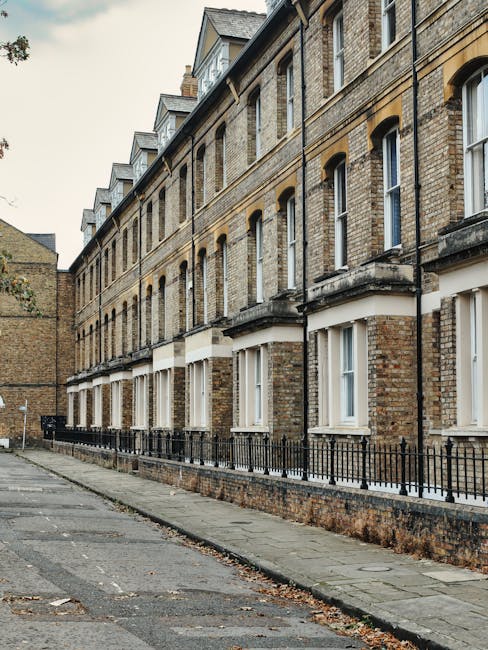
Terraced homes bring a very specific set of moving challenges. The building itself may be perfectly lovely, but the layout often works against efficient removals. Internal stairs can be steep or narrow, doorframes can be tighter than expected, and the route from front room to van may include a long carry along a pavement with passing pedestrians and parked cars. In other words, the usual "just move it out" approach can waste time fast.
Hornsey High Street adds another layer. It is a busy local environment, so parking, loading, and timing are part of the job. A move that starts late or without a clear loading plan can quickly turn into repeated trips, blocked access, and a lot of unnecessary lifting. That is why a location-aware approach matters. It helps you avoid avoidable disruption and keeps the day controlled rather than chaotic.
It also matters for the condition of your belongings. In terraced homes, furniture often has to turn sharply at landings, pivot through narrow halls, or be carried over thresholds that catch the edge of a sofa or mattress. A little forethought reduces scuffs, knocks, and that familiar "how did this get stuck here?" moment. If you are moving larger items such as wardrobes or dining sets, the advice in our furniture removals service page gives a useful sense of how professional handling can make a difference.
Simple truth: in terraced homes, moving day is won or lost in the planning before the first box leaves the hallway.
How Moving Day Tips For Hornsey High Street Terraced Homes Works
A smooth move in a terraced property usually follows a clear sequence: prepare the rooms, create safe walking routes, load the most difficult items first, then keep the lighter and more flexible items for later. That sounds obvious, but the real difference comes from how carefully each stage is handled.
Start by thinking in terms of movement paths rather than rooms. From bedroom to landing, landing to hallway, hallway to front door, and front door to van - each section needs to stay clear. A cardboard box left in the wrong place can slow the whole chain. In compact terraced homes, that matters more than people expect.
The second part is timing. If the van is arriving at a fixed slot, your furniture should already be protected and your key boxes clearly labelled. You do not want a team standing around while someone searches for tape, dismantling screws, or the kettle. Yes, the kettle is usually the last thing to go, but it somehow becomes the most important object in the house.
The third part is decision-making. Not every item should be moved in the same way. Sofas, beds, mirrors, pianos, and appliances each need different handling. For example, if you are dealing with a bulky sofa that has to pass through a tight stair turn, it may be worth revisiting your storage or handling plan beforehand - the advice in smart sofa storage strategies can also help you think about protection and wrapping.
For readers who want to understand the more physical side of moving safely, the explanation of kinetic lifting principles is a useful reference point. It is not about turning moving day into a gym session. It is about lifting with control, balance, and less strain.
Key Benefits and Practical Advantages
Good moving day planning does more than save time. It protects your belongings, your back, your walls, and your schedule. That combination is especially valuable in terraced homes where one bad turn can create a chain reaction of delays.
- Less physical strain: Fewer rushed lifts and fewer awkward carries up and down narrow stairs.
- Lower damage risk: Proper wrapping and better route planning reduce chips, tears, and impact marks.
- Faster loading: Clear room order and labelled boxes help the van team work in a sensible sequence.
- Better access management: A planned loading window reduces friction with neighbours and traffic flow.
- Cleaner handover: If you are also leaving the property tidy, you will appreciate practical guidance like expert cleaning advice for move-out day.
There is also a mental benefit that gets overlooked. When the day feels organised, people make calmer decisions. They pause before forcing a sofa around a corner. They double-check labels. They notice when a box is too heavy instead of pretending it is fine because "it only needs to go downstairs once." That small shift makes the whole day safer and less tiring.
For many households, another real advantage is knowing where to turn if the move becomes more complex than expected. If the property has stairs, tight access, or a larger amount of furniture than you first thought, a local house removals service or a flexible man and van option can be a practical fit.
Who This Is For and When It Makes Sense
This advice is most useful if you are moving from a terraced home with any of the following conditions:
- narrow internal staircases
- shared front access or a small front garden
- limited parking outside the property
- large or awkward furniture
- multiple floors, loft rooms, or basement storage
- a tight moving window because of work, school, or handover timing
It is also relevant if you are moving as a student, a couple, a family, or on your own. Students often have fewer possessions but less time, while families tend to have more items and more moving parts. If you are in the first category, a localised student removals service may be more appropriate. If you are moving a full household, a more structured removals service in Hornsey is often the better fit.
It makes particular sense when you are:
- moving on a weekend or during a busy road period
- trying to avoid repeated trips in and out of the property
- moving items that should not be dragged, tilted, or carried solo
- concerned about losing time to access issues
If you have a short turnaround, the availability of same day removals can be helpful, although it is always better to plan ahead where possible. Same-day solutions are useful, but they are not magic. The more organised the home, the better the outcome.
Step-by-Step Guidance
1. Clear the route before anything else
Open up the path from upstairs rooms to the front door. Remove loose rugs, shoe piles, plant stands, laundry baskets, and any decorative items sitting in the way. In terraced homes, a small obstruction can create a surprisingly long delay because one person is always waiting for another to shift it.
2. Prioritise the hardest items first
Load large furniture, heavy boxes, and fragile bulky items early while people are fresh. Beds, sofas, and large wardrobes are much easier to handle when the team is not already tired from carrying boxes all morning. If a bed needs dismantling, the guidance in moving beds and mattresses safely can help you avoid the usual last-minute scramble for missing bolts.
3. Label boxes by room and urgency
Use clear labels like "kitchen - fragile," "bedroom - first night," and "living room - books." The point is not just identification. It helps you decide what should come out first at the new address. The box with bedding, toiletries, chargers, and a few mugs is worth its weight in calm.
4. Protect the property as you go
Use door-frame protection, blankets, and floor coverings where needed. Terraced homes often have tighter corners, so friction points are predictable. A little protection goes a long way compared with repainting a scuffed wall or repairing a dented bannister later.
5. Keep one small essentials bag with you
Put your keys, phone charger, medication, wallet, documents, snacks, and basic cleaning materials in one bag. Do not bury them in a box. You will regret it the second you want to lock the front door and cannot remember which sealed carton contains the keys. It happens more often than people admit.
6. Manage parking and loading with the street in mind
Hornsey High Street can be active enough that parking and loading need attention. Arrange the van placement so it allows a direct carry route and does not block the flow more than necessary. If the space is tight, minimise waiting time by having items ready at the front door before the vehicle arrives.
7. Finish with a final walk-through
Check cupboards, lofts, under stairs, window ledges, and the back of doors. Terraced homes hide things well. A charger, remote, or small tool can easily be left behind because everyone assumes someone else already picked it up.
Expert Tips for Better Results
Small improvements make a noticeable difference on moving day. These are the kinds of practical details that experienced movers lean on because they save time without adding complexity.
- Use consistent box sizes for books: mixed box sizes make stacking harder and create unstable piles.
- Wrap corners before wrapping surfaces: table edges, mirror corners, and bed frame ends take the most impact.
- Separate fragile items from sentimental ones: both matter, but they do not always need the same packing method.
- Keep screws and fittings taped to the item they belong to: a labelled sandwich bag saves a lot of frustration later.
- Do not overpack boxes: a box that looks neat but weighs too much is a moving day trap.
For anyone planning to move a piano, this is one area where DIY often stops being clever and starts being risky. Staircases, weight distribution, and floor protection are not places for guesswork. The article on why expert piano movers matter explains the logic well, and if you need dedicated support, the piano removals service is the safer route.
Another often-missed detail is the condition of appliances. If a freezer or fridge is being stored or switched off during the move, it should be prepared properly in advance. That kind of quiet preparation prevents smells, leaks, and avoidable hassle later. A useful companion article is preparing your freezer for safe storage during breaks.
If the move is likely to involve more than one destination - for example, temporary storage before final delivery - consider whether storage solutions in Homerton would make the day less pressured. A two-stage move can sometimes be the calmer choice, even if it feels less direct.
Common Mistakes to Avoid
Most moving day problems in terraced homes come from a handful of predictable mistakes. Once you know them, they are much easier to avoid.
- Leaving packing too late: last-minute packing creates weak boxes, missing labels, and stress-induced overpacking.
- Ignoring stair geometry: a sofa that fits in the room may still struggle at the landing turn.
- Forgetting to clear parking space: if the van has to circle repeatedly, the whole schedule slips.
- Not separating essentials: chargers, documents, and medication should never be buried in random boxes.
- Trying to move heavy items without the right technique: bodies can only take so much enthusiasm.
- Skipping insurance and safety checks: always understand what is covered before the move begins.
One more issue deserves emphasis: people often underestimate the time needed to walk items through the property. In a terraced home, the journey from bedroom to van is not just "downstairs and out." It can involve multiple turns, narrow landings, and pauses for coordination. Build that into your timing rather than assuming you will "make it up later." You usually will not.
If you are tempted to handle all lifting yourself, read solo heavy-lifting guidance first. It is helpful, but it also makes clear that some jobs are better shared or handled professionally.
Tools, Resources and Recommendations
The right equipment does not need to be expensive, but it should be appropriate. A few well-chosen items can make a terraced-house move much easier.
| Item | Why it helps | Best use in terraced homes |
|---|---|---|
| Sturdy moving boxes | Stack better and reduce collapse risk | Books, kitchenware, and mixed household items |
| Furniture blankets | Protects edges and surfaces from bumps | Sofas, tables, wardrobes, and bed frames |
| Ratchet straps or tie-downs | Helps secure items in the van | Large furniture and awkward loads |
| Dolley or sack truck | Reduces carrying strain | Boxes, appliances, and heavier items |
| Labels and marker pens | Speeds up unloading and room placement | Every box and dismantled furniture bag |
In practical terms, the best resource is often a good pre-move plan. That includes your box list, your furniture list, and a simple loading order. If you want a fuller overview of what a move can include, the services overview is a useful place to understand the broader support options available.
For moving materials and box supply, the dedicated packing and boxes page can help you think beyond "find some boxes" and toward "use the right packaging for the right item." That difference matters more than people realise.
If your move is part of a bigger decluttering effort, the article on preparing for a house move by clearing clutter is especially useful. Fewer belongings usually means fewer trips, fewer decisions, and less stress.
Law, Compliance, Standards, or Best Practice
Moving home is not usually a heavily regulated activity for the average household, but there are still sensible UK best-practice considerations to keep in mind. If you are hiring a removal provider, it is wise to confirm that they are clear about pricing, terms, insurance, and safety procedures before the job starts. Reputable providers should explain what is included, what is excluded, and how items are handled if something unexpected happens.
Parking and loading on Hornsey High Street should always be approached responsibly. You should avoid blocking access, creating unsafe obstructions, or assuming you can stop anywhere without checking the local restrictions. If a loading bay or permit matter applies, it is better to plan early rather than improvise on the morning.
From a safety standpoint, good practice includes:
- using suitable lifting methods for heavy items
- not overloading boxes beyond what can be safely carried
- protecting hallways, bannisters, and floors where appropriate
- making sure children and pets are kept away from the active loading area
- checking public liability or goods-in-transit coverage where relevant
It is also sensible to understand how the company approaches trust and customer care. Pages such as insurance and safety, pricing and quotes, and terms and conditions help set expectations before moving day arrives. Good preparation is not just about boxes; it is about knowing who is responsible for what.
Finally, if sustainability matters to you, consider how unwanted items and packaging will be handled. The page on recycling and sustainability is a useful reminder that moving day can be organised in a more responsible way, especially when you are parting with furniture or packing materials.
Options, Methods, or Comparison Table
Not every move needs the same level of support. The best choice depends on the size of the property, the furniture involved, and how much time you have. Here is a practical comparison.
| Approach | Best for | Strengths | Trade-offs |
|---|---|---|---|
| DIY with a rented van | Small, simple moves with light furniture | Budget control, flexible timing | More lifting, more coordination, more risk |
| Man and van support | One-bed or moderate terraced-home moves | Practical, efficient, easier loading | Less suitable for very large or complex moves |
| Full removals service | Family homes, tight access, heavy furniture | More complete handling and better coordination | Usually the most structured option |
| Partial support with storage | Moves involving staging or delayed handover | Less pressure on the day, more flexibility | May require extra planning and cost |
For many Hornsey High Street terraced homes, the middle ground is often the sweet spot. A dedicated man with a van can be enough for simpler moves, while a more complete removal services approach is better for larger households or awkward access.
If you are comparing providers, it is also sensible to read about how they operate. The about us page can help you understand the company background and tone, while removal companies in Homerton gives a broader sense of the service landscape.
Case Study or Real-World Example
Consider a typical Hornsey High Street terraced move: a two-bedroom home with one narrow staircase, a sofa that has to turn at the landing, several book boxes, a dismantled bed frame, and a freezer that has been emptied but still needs careful handling. Nothing extraordinary - just enough moving pieces to make the day feel busy.
The homeowner starts by labelling boxes by room and separating essentials into one overnight bag. The hallway is cleared the night before. Furniture legs and mirrors are wrapped. The van arrives with a clear parking plan, and the heaviest items are loaded first while everyone still has energy. One person handles box flow, another checks the property is empty, and the final walk-through happens before the front door is locked.
What makes this work is not heroic effort. It is sequencing. The sofa does not get moved around three times. The boxes do not get stacked in the wrong order. The stair turn is measured before anyone lifts. Even small decisions, like leaving cleaning supplies available for the final sweep, make the handover smoother. That is where a practical moving day plan pays off.
In cases like this, support from a service such as flat and terraced home removals can be especially useful because the team already understands tight access and internal manoeuvring. And if something urgent changes at the last minute, a local same day removals option may still be possible, provided the scope is realistic.
Practical Checklist
Use this checklist the day before and on the morning of the move.
- Confirm the van arrival time and access route
- Clear hallways, stairs, and front entry space
- Set aside keys, documents, medication, chargers, and snacks
- Label each box with its room and any fragile content
- Disassemble large furniture where needed
- Wrap sofas, mirrors, and table edges
- Protect floors and door frames if necessary
- Keep pets and children safely out of the loading route
- Check lofts, cupboards, under beds, and behind doors
- Take meter readings if relevant and photograph the property if helpful
- Do a final sweep of every room before leaving
Quick summary: if you can reduce carrying distance, reduce clutter, and reduce decision-making on the day, you have already improved the move.
Conclusion
Moving out of a Hornsey High Street terraced home does not need to feel frantic. The best moving day tips are rarely glamorous, but they are effective: plan the route, protect the property, label properly, lift safely, and keep the van loading sequence simple. Once you respect the layout of the house, the day becomes far easier to control.
That is the real advantage of a localised approach. You are not fighting the home; you are working with it. Narrow staircases, limited parking, and compact rooms are manageable when you prepare for them properly. And if the job looks bigger than expected, there is no shame in bringing in help that is built for this kind of access and pace.
If you are still refining your plan, consider reviewing the linked packing, cleaning, lifting, and service pages above so you can line up the practical details before moving day arrives. A calmer move is usually the result of a dozen small sensible choices, not one big miracle.
Get a free quote today and see how much you can save.