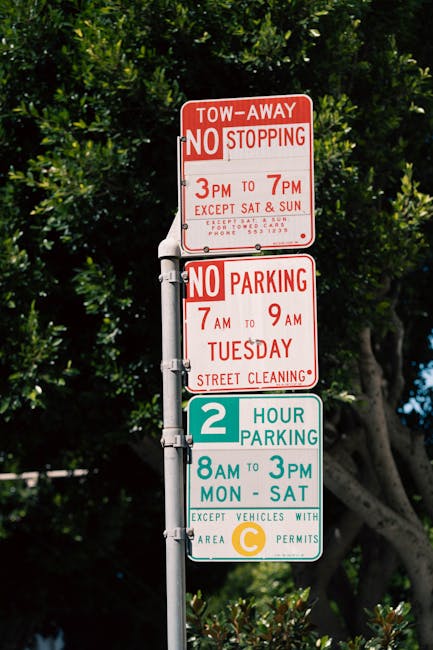
Haringey Council Parking Permits For Hornsey Removals
Posted on 26/06/2026
Haringey Council Parking Permits For Hornsey Removals: A Practical Local Guide
Sorting out Haringey Council Parking Permits For Hornsey Removals can feel like one more thing on a moving-day list that is already a bit too long. But parking is rarely a small detail in Hornsey. One badly placed van, one suspended bay you did not notice, one delayed permit, and suddenly the whole move starts to wobble. If you have ever watched a removals crew try to juggle a sofa, a trolley, and a neighbour who wants to leave in a hurry, you will know exactly why this matters.
This guide explains what parking permits are for Hornsey removals, why they matter, how the process usually works, and how to avoid the headaches that catch people out. You will also find a checklist, a comparison table, and a few realistic examples from the kind of streets and loading situations that come up again and again in Hornsey.
For a smoother move, it can also help to plan the rest of the job properly. If you are still at the packing stage, a useful companion read is packing hacks that make a house move feel less chaotic, and if you are trying to keep everything calm on the day itself, practical advice for a calmer moving day is worth a look.
Why Haringey Council Parking Permits For Hornsey Removals Matters
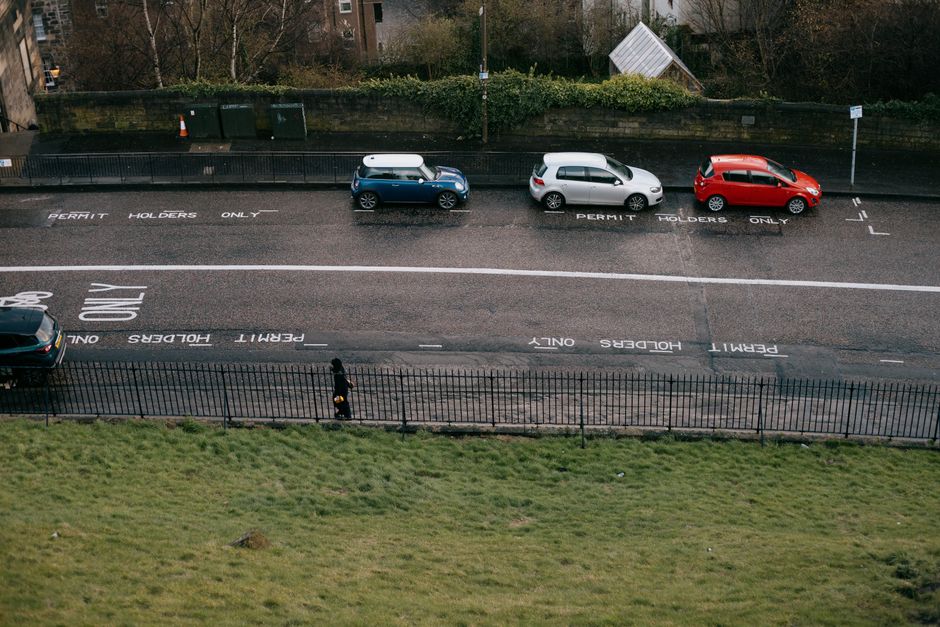
Parking is often the hidden deciding factor in whether a move runs smoothly. In Hornsey, many homes sit on narrow residential roads, shared streets, controlled parking zones, or places where the nearest sensible loading spot is not actually right outside the front door. That is fine if you plan for it. It becomes a problem when you assume a removals van can simply pull up and stay there for as long as needed.
A parking permit can make the difference between a quick, tidy load and a slow, stressful drag with boxes carried farther than necessary. That extra distance matters more than people think. It affects the time the van spends on street, how many trips the team needs to make, whether larger furniture can be handled safely, and how much pressure lands on everyone else in the property.
There is also the local reality of Hornsey traffic. Streets around stations, terraces, and busier roads can fill up quickly. On a wet morning, with a removals team arriving early and neighbours wanting access, even a few minutes of poor parking can cause a chain reaction. Truth be told, moving is already noisy enough without adding parking disputes to the mix.
For moves involving bulky furniture, this matters even more. A sofa or bedframe should not be carried half a street if there is a better loading plan available. If your move includes awkward items, it helps to read expert advice on moving beds and mattresses and why piano moving is better left to specialists so the parking arrangement actually matches the size and weight of the load.
How Haringey Council Parking Permits For Hornsey Removals Works
In plain English, a parking permit or parking arrangement is what allows a removals vehicle to stop legally and sensibly close to your property. In Hornsey, the exact approach depends on the road, the parking controls in place, the time of day, and whether the vehicle needs to load for a few minutes or remain for a longer period. That sounds obvious, but a lot of the confusion comes from people assuming all streets work the same way. They do not.
In practical terms, the process usually involves checking whether the street is controlled, whether there is resident-only parking, whether loading is permitted, and whether any suspension, bay restriction, or timed restriction affects your moving window. If a van is going to be waiting while furniture is moved, the plan should be made around those restrictions rather than after them.
For many Hornsey moves, the most important thing is not the paper permit itself, but the timing and fit. You want the van positioned so that loading is efficient and safe, and so that other road users are not blocked. If the road is tight, a removals crew may need to work in shorter bursts or use a different loading spot altogether. That is where local route knowledge becomes useful. A good example is the kind of planning discussed in best van routes and loading spots in N8.
One more thing: permit rules and parking controls can change. Councils update procedures, timing windows, and operational details from time to time, so the safest move is to confirm the current process before moving day rather than relying on memory from a previous address.
Key Benefits and Practical Advantages
Getting parking right is not just about avoiding a ticket. It has a direct effect on the quality of the move.
- Less walking distance: closer parking means fewer steps with boxes, mattresses, and fragile items.
- Faster loading: the crew can keep a steady rhythm instead of stopping and starting across a long carry.
- Lower risk of damage: shorter carries reduce the chance of scuffed walls, dropped items, or awkward handling.
- Reduced stress: there is less pressure on you, your helpers, and the driver if parking has been sorted in advance.
- Better safety: loading near the property makes it easier to control heavy lifts and avoid trip hazards.
A lot of people only realise this once they compare a move with good access versus one without it. A flat on a terraced street might seem manageable, but if the van has to park two roads away, the whole operation changes shape. Suddenly that "simple" move is a workout, and not the nice kind.
Parking planning also helps if you are arranging extra services such as storage or furniture dismantling. If you are clearing space before the move, you may find storage solutions in Hornsey useful, while furniture removals in Hornsey can be a better fit for larger, heavier household items.
Who This Is For and When It Makes Sense
This topic matters for almost anyone moving within or into Hornsey, but some people need it more than others.
Home movers in controlled parking streets
If you live in a road with resident parking, pay-and-display bays, or timed restrictions, a permit or loading plan is usually essential. That is especially true for flats and terrace houses where access is already tight.
People moving bulky or fragile items
Large furniture, pianos, heavy wardrobes, and tall appliances all benefit from the van being close. The smaller the safety margin, the more useful local parking planning becomes.
Students and short-notice movers
Student moves often happen quickly and on a budget. That can make parking an afterthought, but it is exactly the kind of thing that causes avoidable delay. If you are moving at short notice, a page like same-day removals in Hornsey can be useful for understanding how urgent jobs are handled.
Office or business relocations
Commercial moves often need tighter timing, particularly if building access is limited or there are loading windows. Parking that works for a house move may not work at all for an office move. For that reason, office removals in Hornsey are usually planned with more structure.
Flat moves with awkward access
If stairs are narrow, lifts are unavailable, or the property sits above street level, parking directly outside becomes far more valuable. In those situations, loading efficiency is not a luxury. It is what keeps the day manageable.
Step-by-Step Guidance
Here is the practical route most people should follow.
- Check the parking restrictions at both addresses. Do not assume the home you are leaving and the one you are entering have the same rules. They rarely do.
- Identify the best loading point. Look for the closest legal place where the van can stop without obstructing driveways, crossings, or junctions.
- Confirm the moving window. Morning, lunchtime, and evening can behave very differently in Hornsey. A twenty-minute delay can change the available space completely.
- Arrange the permit or permissions early. Last-minute parking arrangements are where the panic begins. Leave room for admin.
- Share the plan with your removals team. Tell them where to park, which street entrance to use, and whether there are narrow turns or low branches.
- Prepare a backup option. If the first spot is taken, know where the second-best location is. That one detail can save a lot of faffing about.
- Keep proof and details to hand. If a permit number, booking reference, or confirmation is involved, keep it easy to access on moving day.
A small but useful habit: stand outside your property at the same time of day as the move, if you can. You will notice the road differently. The school run, delivery vans, bin collections, parked cars, all of it changes how realistic your plan is. This is one of those unglamorous tasks that saves the day later.
If you are still building the wider moving plan, a quick van checklist for urgent Hornsey moves can help you stay organised under pressure.
Expert Tips for Better Results
These are the little things that make parking arrangements work better in real life.
- Book earlier than you think you need to. Parking admin is one of those jobs that always feels small until it becomes urgent.
- Match the vehicle size to the street. A large van may be ideal for the load, but not if the road access is too tight to use it properly. Sometimes a smaller vehicle or a second run is the cleaner option.
- Keep heavy items near the exit path. If you know parking might be limited, prepare the heaviest pieces first so the team can load them while access is at its easiest.
- Protect the path from property to van. On a damp Hornsey morning, floors and pavements can be slippery. A bit of care here really matters.
- Use box labels that help the unloading order. If the van is parked neatly but the boxes are in chaos, the time saved outside gets lost inside. That happens more than people admit.
- Plan around neighbours. If a resident needs access to a car or driveway, a polite heads-up can prevent friction. Everyone is less tense when they know what is happening.
We have found that the best moves are usually the boring ones, honestly. Clear access, clear timing, clear instructions. Not glamorous, but very effective.
If your move includes a lot of household contents, decluttering before the move can reduce the time the van spends parked outside and make every loading trip more efficient.
Common Mistakes to Avoid
Parking issues often come from a handful of predictable mistakes. Avoid these and you are already ahead.
- Leaving it until move day. If you only think about parking when the van arrives, you are already behind.
- Assuming loading is allowed everywhere. Some bays look convenient but are not suitable for long stops or heavy loading.
- Forgetting the return leg. It is not enough to park well at the old property if the new one is impossible to access.
- Not allowing for traffic build-up. Even a well-planned street can become crowded at certain times.
- Ignoring vehicle height or width. A permit is no help if the van physically cannot get to the loading point safely.
- Underestimating how long furniture takes. A couple of bulky items can take much longer than a pile of boxes. And yes, the sofa is always heavier than it looks.
One especially common slip is assuming the removal crew will sort everything automatically. Experienced teams can help, of course, but they still need the basics from you: access, permission, timing, and a realistic idea of the layout. That is not micromanaging. It is just good planning.
Tools, Resources and Recommendations
You do not need a complicated toolkit, just a few sensible things and the right information.
- Move notes: a simple written plan with the address, access details, parking instructions, and any restrictions.
- Phone camera: useful for taking quick photos of loading spaces, street signs, or access points so everyone is looking at the same thing.
- Labels and tape: these save time when the van is parked well and the team can keep moving without hunting for items.
- Measuring tape: handy if you are unsure whether a van will fit into a road or bay space properly.
- Flexible boxes or packing materials: when the loading point is a little further away than planned, well-packed boxes matter even more.
For related planning help, packing and boxes in Hornsey is a practical place to start, especially if you want to reduce handling time on the pavement. If you are moving something delicate or awkward, insurance and safety guidance is also worth reviewing before the day arrives.
Another helpful resource for local moving logistics is Hornsey Town Hall move access and parking timings, which is useful reading if your move is near busier civic or commercial areas.
Law, Compliance, Standards, or Best Practice
Parking permits and loading arrangements sit within normal local parking controls, so the main rule is simple: follow the current restrictions for the street you are using. That means checking whether a bay is suspended, whether loading is allowed, and whether the vehicle is stopping within the terms that apply to that location. It is always wise to verify the latest details directly with the relevant council process before moving day.
From a removals perspective, best practice is not just about avoiding penalties. It is about safe movement, access planning, and reducing disturbance to pedestrians, neighbours, and road users. A well-run move should respect kerb space, keep driveways clear, and avoid blocking visibility at junctions or crossings. Sounds basic, but you would be surprised how often that gets overlooked in the rush.
Industry best practice also means assessing the size of the vehicle, the weight of the load, and the ease of access before committing to a parking plan. That is especially important where manual handling risks are involved. If a route to the van is too long or too uneven, the safer solution may be to reposition the vehicle or split the load rather than push on and hope for the best.
For heavier household moves, it is also worth being careful with handling technique. safe solo lifting strategies and kinetic lifting tips both reinforce the same principle: the best lift is the one that does not become a strain in the first place.
Options, Methods, or Comparison Table
There is more than one way to manage parking for a Hornsey removal. Which option works best depends on the road, the timing, and how much you are moving.
| Approach | Best for | Pros | Trade-offs |
|---|---|---|---|
| Pre-arranged permit or authorised parking | Controlled streets, longer loading times | Most reliable, reduces last-minute stress | Needs planning and possible admin lead time |
| Short loading stop in a permitted bay | Small or medium moves with quick turnover | Simple and efficient if timed well | Can be risky if the load takes longer than expected |
| Alternative nearby loading point | Tight roads, busy streets, limited curb space | Flexible when front-door access is not realistic | May involve longer carries |
| Smaller vehicle or split loads | Very narrow access or complex parking | Can work better in constrained streets | May take longer overall |
In many Hornsey moves, the best answer is not the flashiest one. It is the option that gives the crew the shortest safe carry and the least chance of interruption. If that means using a smaller van or loading a little earlier in the morning, so be it. The job still gets done properly.
For people comparing move types, these service pages may help frame the wider picture: man and van in Hornsey, house removals in Hornsey, and flat removals in Hornsey.
Case Study or Real-World Example
Imagine a typical Hornsey flat move on a weekday morning. The property sits on a residential road with limited curb space and a few parked cars already in place. The team arrives just after breakfast, expecting to use the bay nearest the entrance. But a delivery van is already there, and the nearby space is only suitable for a short stop.
Without a backup plan, the move would stall. Boxes would wait indoors. The clock would keep ticking. Neighbours would start peeking out of windows. Not ideal.
Instead, the move works because the parking plan has been thought through in advance. The driver uses a second-best loading point around the corner, the heaviest pieces are loaded first, and the client keeps fragile boxes grouped separately so the van can be packed in a sensible order. It is not perfect. A few extra steps are involved. But the move stays steady and calm, which is what people usually want more than anything else.
That kind of approach also helps when the weather turns, which in London it often does without warning. A light drizzle can make every carry feel a bit more awkward. Good parking shortens the carry, and shorter carries are simply easier to manage. Less time in the rain, less slippery footwork, less drama. Lovely.
For a local access-focused read, Hornsey station quick loading strategies is useful if your move takes place near one of the busier transport corridors.
Practical Checklist
Use this checklist the day before your move. It is simple, but it works.
- Confirm the parking situation at both addresses.
- Check for resident bays, loading restrictions, or suspensions.
- Decide where the van should stop first and where the backup spot is.
- Tell the removals team about narrow roads, turns, gates, or stairs.
- Keep any permit or booking details accessible.
- Warn neighbours if access could be tight for a short period.
- Prepare heavy items near the exit path.
- Label fragile boxes clearly so they are not left waiting awkwardly on the pavement.
- Allow extra time for traffic, parking changes, and slow loading.
- Take a quick look outside at the same time of day if you can, just to sense how busy the road feels.
If you are moving on a tight timeline, the checklist matters even more. And if you are also trying to clear clutter before leaving, bulky waste in Hornsey and council collection considerations can help you decide what to remove before the van arrives.
Key takeaway: the best parking plan is the one that reduces carry distance, avoids conflict, and gives the crew room to work safely. Simple, really. Not always easy, but simple.
Get a free quote today and see how much you can save.
Conclusion
Haringey Council parking permits for Hornsey removals are not just an admin chore. They are part of the move itself. Get the parking right and you make everything else easier: safer lifting, faster loading, fewer delays, less stress, and a better start in your new place. Get it wrong and even a small move can become oddly exhausting.
The good news is that most problems are avoidable with a little planning and some local awareness. Check the street rules, think about timing, share the details with your removals team, and keep a backup option in mind. That is usually enough to turn a potentially messy day into a decent one.
And if your move is one of those slightly awkward Hornsey jobs with stairs, tight roads, or larger furniture, do not be hard on yourself. That is exactly the kind of move where careful planning pays off. One step at a time, honestly.